SOUVENIR
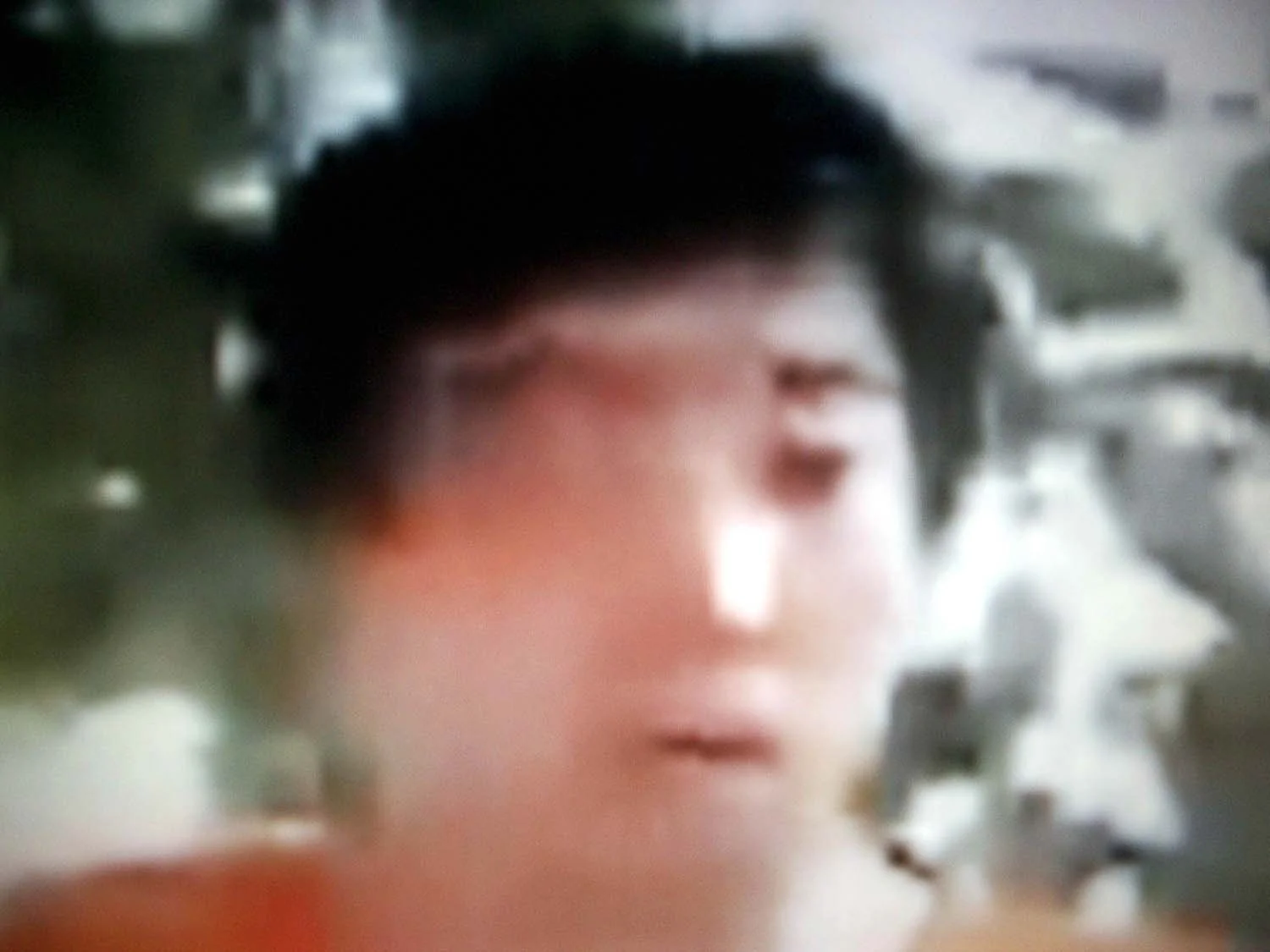
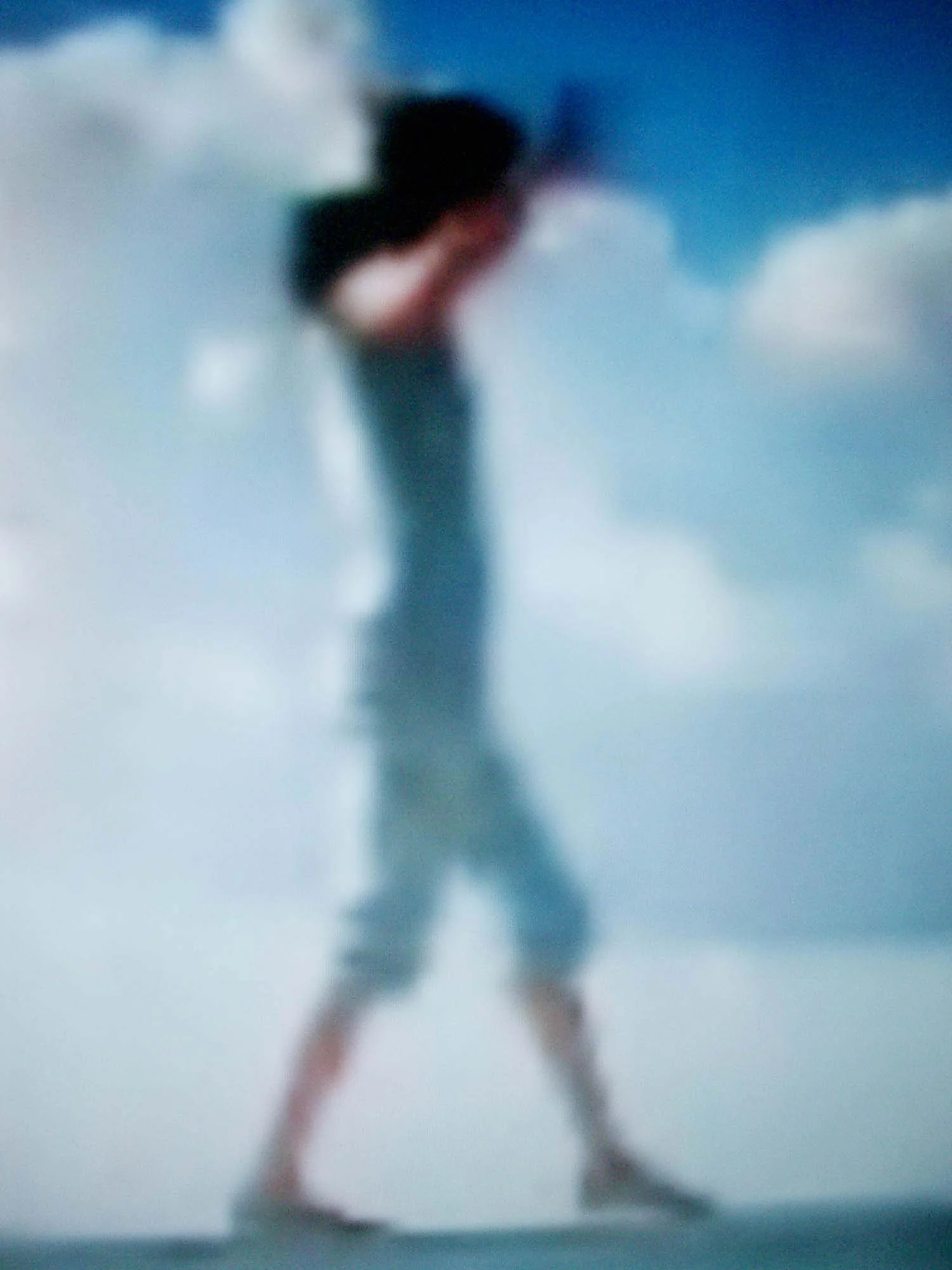
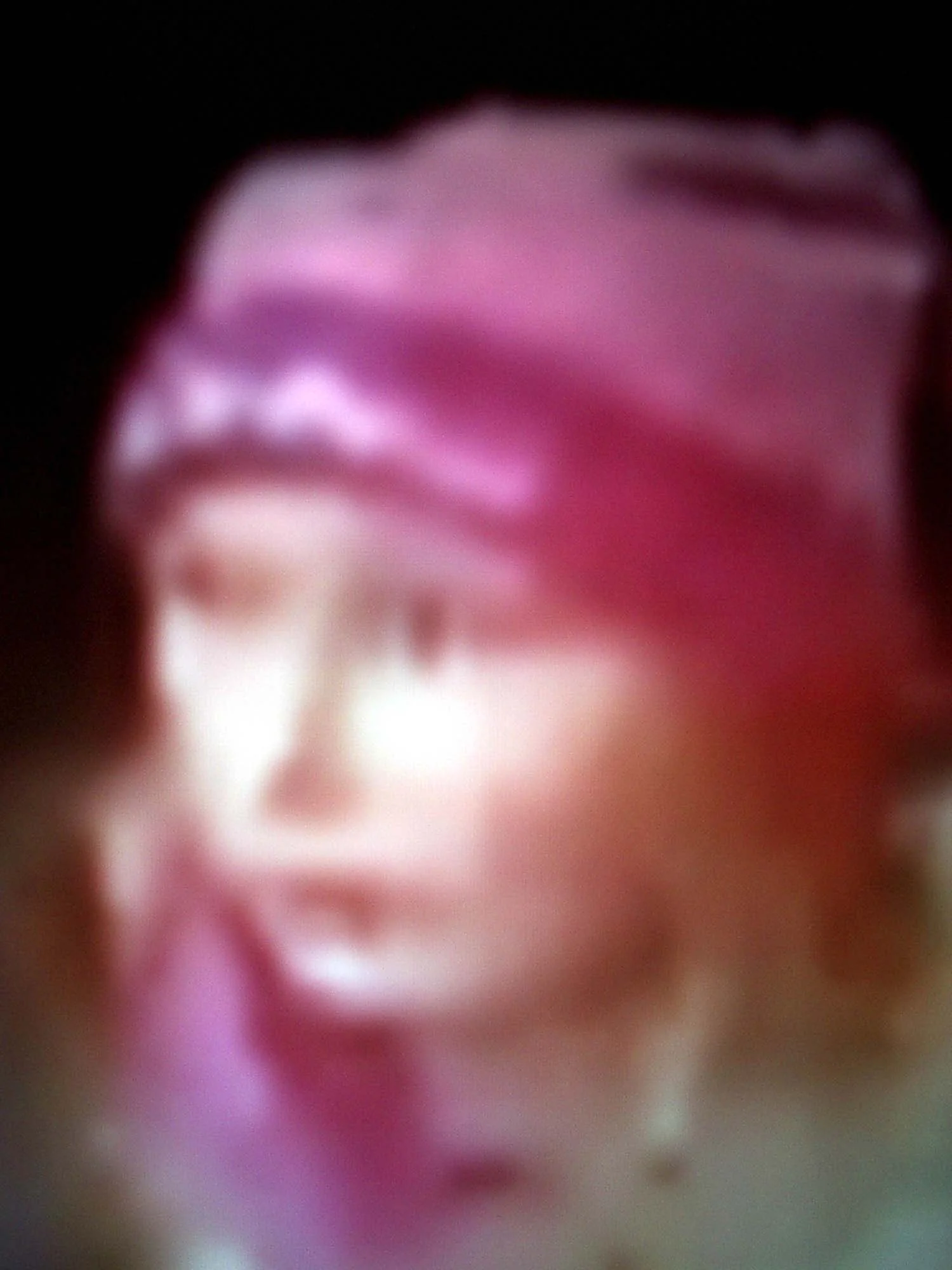
Souvenir consists of 500 images taken from TV news broadcasts. Many of them exist as both photographs and oil paintings, and visitors could buy either for the same price. This was possible because the paintings were produced in the early 2000s in Dafen, an oil painting village in Shenzhen, China, where artists created works from supplied photographs on an almost industrial scale and at low cost. The work asks what we choose when a painting costs no more than a photograph.

Souvenir #49 PAINTING & PHOTO


“ I very much enjoyed the commercial idea, it felt funny and thought-provoking ”


Above, on location in Shenzhen China
All the Photographs are also available as paintings.
Souvenir
In the exhibition, artist Marcus Hansson (b. 1967) reuses images from mass media news reports and turns them into works of art. Taking on the role of an observer of the world, he captures it, filters it, and makes it his own. He also connects the positions of the news consumer and the art producer, operating in a borderland between the documentary, the fictive, and the artistic.
In Souvenir, Hansson shows five hundred photographs taken from various news reports, mainly from the BBC and Al Jazeera. In People from the News (2010), an installation consisting of approximately three thousand dolls, the dolls also feature faces of people who have appeared in the news. By photographing passing faces directly from the television screen and making them into dolls, Hansson materializes something otherwise transient. The faces he has chosen belong to a variety of people: catastrophe survivors and spectators, criminals, victims, politicians, stars—and those who simply happened to walk past when the news camera was there.
By transforming news images into art and changing their context, the artist opens them up to new interpretations and perspectives. He also modifies the receiving context, turning the recipient from a TV viewer into an art observer. Another theme in the exhibition addresses the production of value and commercialism. Everything in the exhibition is for sale at a relatively low price. Visitors can choose whether to buy Hansson's images enlarged as oil paintings or as photographs. The artist, who is interested in playing with values, sees the sale as a study of what visitors will purchase when a painting and a photograph are sold for the same price—especially since photography has historically been valued lower than painting. The artworks also become a kind of souvenir, something visitors can take with them after experiencing their "journey" through the exhibition.
In Marcus Hansson's art, the relationship between the original and the copy is central on several levels. For instance, his artworks commonly involve a form of artisanal mass production and repetition. This involves numerical exaggeration, such as with the thousands of dolls and photographs, as well as repetitions that never become static, but instead reveal traces of the creation process through their flaws. The artworks can often, as in People from the News, be seen as a unified whole, composed of smaller parts that are similar but not identical. Thus, his production is characterized by both systematic abundance and conceptual complexity.
Text: Angelica Blomhage, Operations Manager, Gotland Museum of Art

SOUVENIR #367 COMPUTER SKIN
the day of the take down of the souvenir installation piece PEOPLE FROM THE NEWS with Olga & Åsa

In total 11 banana boxes of SOUVENIR DOLLS

1 of the about 3000 SOUVENIR DOLLS

souvenir POSTER I
In Souvenir Hansson shows five hundred photographs coming from various news reports, mainly from the television channels BBC and Al Jazeera. In People from the news, an installation consisting approximately three thousand dolls, the dolls too have faces that come from people who have appeared in the news. By photographing the passing faces directly from the television screen and then making them into dolls, Hansson materializes something which is otherwise transient. The faces as he has chosen have belonged to different people; catastrophe participants and spectators, criminals, victims, politicians, stars - and all those who accidentally happened to walk past when the news camera was there. BELOW 1/5 of the pictures.